Nothing to Wear? Here’s How to Stop Wasting Money on Clothes You Never Wear
After working in the fashion industry my entire career and being on my own style journey for what feels like forever, I’ve learned that good style is often built on the back of costly mistakes. We’ve all been there. You see something you like, you buy it without thinking, and now it’s three years later, the tags are still on, and it’s collecting dust in the back of your closet. You know you should try to wear it, but every time you think about it, it feels like a burden. It’s not your style anymore, or maybe it never was. Maybe you have “nothing to wear” it with. Whatever the case may be, just know you’re not alone, and I’m going to teach you how to stop wasting money on clothes you never wear once and for all.
What to Do with Clothes You Never Wear
Release the Guilt
First things first, if you’re feeling guilty about the items you already have, allow yourself to release that guilt. Say to yourself, “I can’t change the past, but I can shape the future.” As someone who is often guilt-ridden, I know this might be difficult, but understand that because you’re here, you’re doing the work to be better, and that’s admirable.
Your Options for Unworn Clothes
As for the physical clothes themselves, you have three options:
- Sell Them
If you’re okay with them hanging around for a bit longer, you can sell them on platforms like Poshmark, Mercari, Depop, or even Thredup, although the pay isn’t great, just FYI. - Donate or Consign
Another option is to bring them to your local thrift store or consignment shop. If you have some patience, a consignment shop is a great way to earn back some money you spent on the item and also to have it out of your sight. So, make a decision right now about what you’re going to do with those items. - Store Them
The third option is to put them in storage. I personally like this option, especially if you’re on the fence about an item. If you look at an item and think, “absolutely not,” then it’s a good sign to donate or sell it. But if you look at it and think, “I still really like it; I just don’t know what to wear it with or where to wear it,” then I recommend storing it. When you take it out of storage 3, 6 months, or a year down the road to assess it, it’s almost like shopping. Often, you’ll know whether it’s time to try it again or part ways.
Why We Waste Money on Clothes We Never Wear
Marketing Influence
Understanding why we waste our money on clothes we never wear is crucial to recognizing certain things within the fashion industry and your own behavior. The first reason is that brands are focused on selling a dream. There’s nothing wrong with this—it’s just marketing. My degree is in marketing, and I spent years working in brand strategy within the fashion industry, so I understand the importance of selling a dream. But to be a smart consumer, it’s crucial to separate the aspiration of the item or brand from the practicality of it in your life.
You can appreciate a well-crafted campaign without absorbing the fantasy of the clothes. The clothes should fit well within your current lifestyle and plans. It’s about avoiding shopping for a fantasy version of yourself and instead shopping for the version of yourself you know to be real and true in this moment.
The “Treat Yourself” Mentality
Another reason we waste money on clothes is because of the “treat yourself” mentality. This mentality has blown up in recent years, with many people online encouraging others to treat themselves as a reward for getting through the day, getting a raise at work, celebrating a birthday, etc. While this mentality can be great, it becomes a problem when you abuse it. Treating yourself should be for a celebration, not as a justified reason to buy something out of your budget or comfort zone.
It’s important to learn the distinction between these two. Are you treating yourself as a gift for your hard work, or are you trying to convince yourself it’s okay to buy something? This can be nuanced, but recognizing when it’s appropriate to treat yourself is crucial.
Emotional Shopping
The final reason I’ll mention is the “emotional band-aid response.” We’ve all been there—you’re not feeling your best, you’re in your feelings, maybe even depressed, and your brain is on the hunt for that hit of dopamine. Shopping often provides that hit. I call this the emotional band-aid response because it’s like putting a band-aid over a bullet hole. You shop to make yourself feel better, but you end up with items that aren’t realistic for your wardrobe or life, and you realize it didn’t actually fix anything.
This response is a huge contributor to why we buy things we never wear. Recognizing this pattern in your behavior is the first step to changing it.
Tips to Stop Wasting Money on Clothes
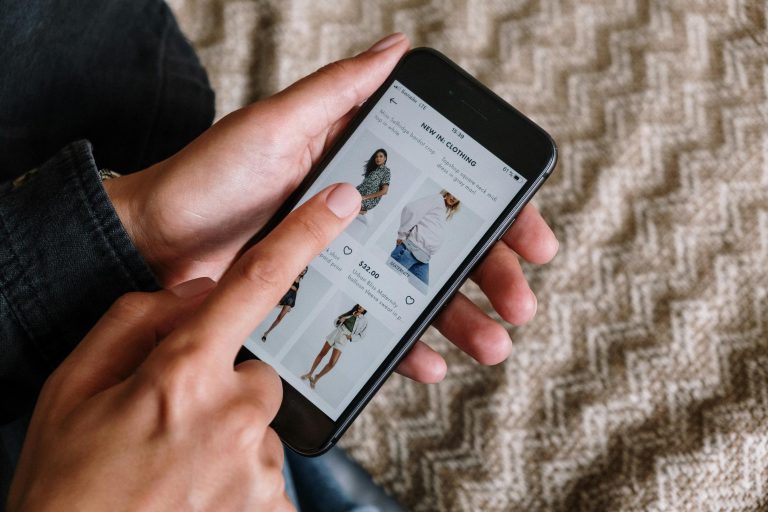
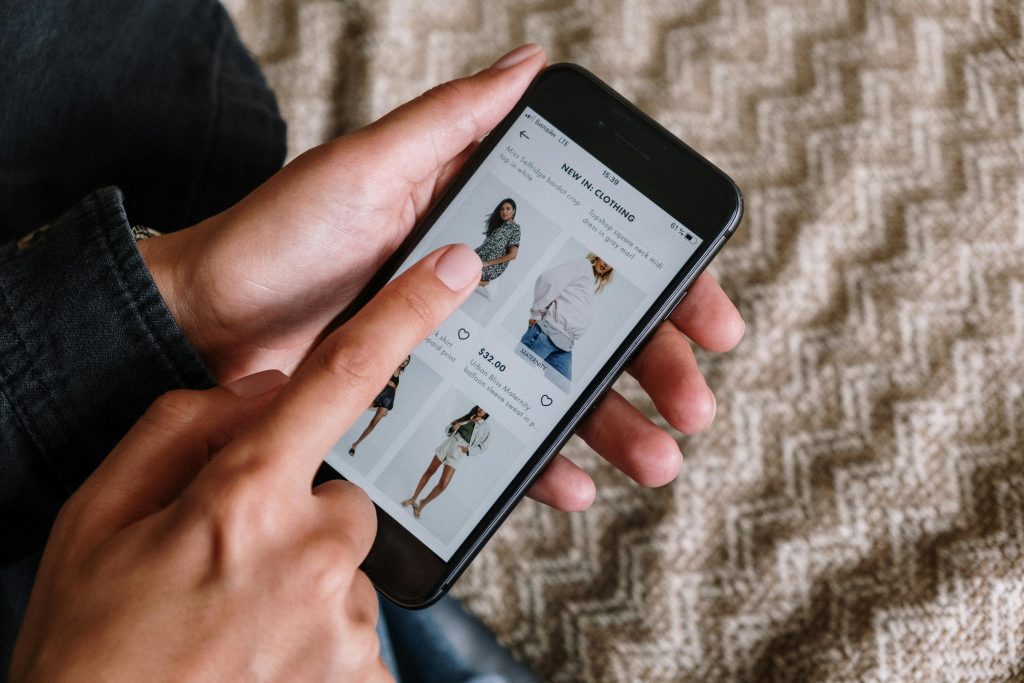
Avoid Browsing for Entertainment
I used to browse online stores out of boredom, especially at night. It led to a lot of trouble when it came to spending money on things that just sat in my closet. I would convince myself I needed something when I didn’t.
Now, this doesn’t mean you shouldn’t shop at all. But approach shopping with intention. Only shop when you need a specific item that will fit well in your wardrobe. For example, I decided I wanted a tiered midi skirt. I sat on it for a few days, then started an intentional search for the item. I found one on Mercari and felt great about the purchase. I set the intention, found an affordable one, and shopped secondhand.
Instead of shopping for entertainment, find other ways to entertain yourself. For me, it’s reading a book. When you have the urge to see what’s new on your favorite website, use sheer willpower to tell yourself no.
Don’t Buy Sale Items You Wouldn’t Pay Full Price For
This was my biggest pitfall when I was a shopaholic and when I was wasting money on clothes. I felt that a good deal was the only reason I needed to validate a purchase. This couldn’t be further from the truth.
When buying something on a super deep discount or a low price, especially when thrifting, be real with yourself. Are you buying it because it’s cheap? Will you actually wear it? If you wouldn’t pay full price or a reasonable price for it, leave it on the rack for someone who will.
Three Key Questions
Before making a purchase, ask yourself these three questions:
- Can I create more than five versatile outfits with this item?
- Can it transition between at least two seasons?
- Is the print or silhouette something I won’t hesitate to repeat regularly?
If you answer yes to all these questions, go ahead with the purchase.
Buy the Item, Not the Idea
This ties back to brands selling a dream. Don’t shop for a fantasy version of yourself. Buy clothes that fit your real, current lifestyle. If you need an item for a one-off event, consider renting instead of buying.
I used to buy a lot of clothes for going out, even though I rarely went out. My closet had a section of clothes for going out, but I only went out a few times a year. It’s about recognizing your fantasy self versus your real self. My life is relaxed, and how I dress reflects that. There’s no point in buying clothes that aren’t reflective of my current lifestyle.
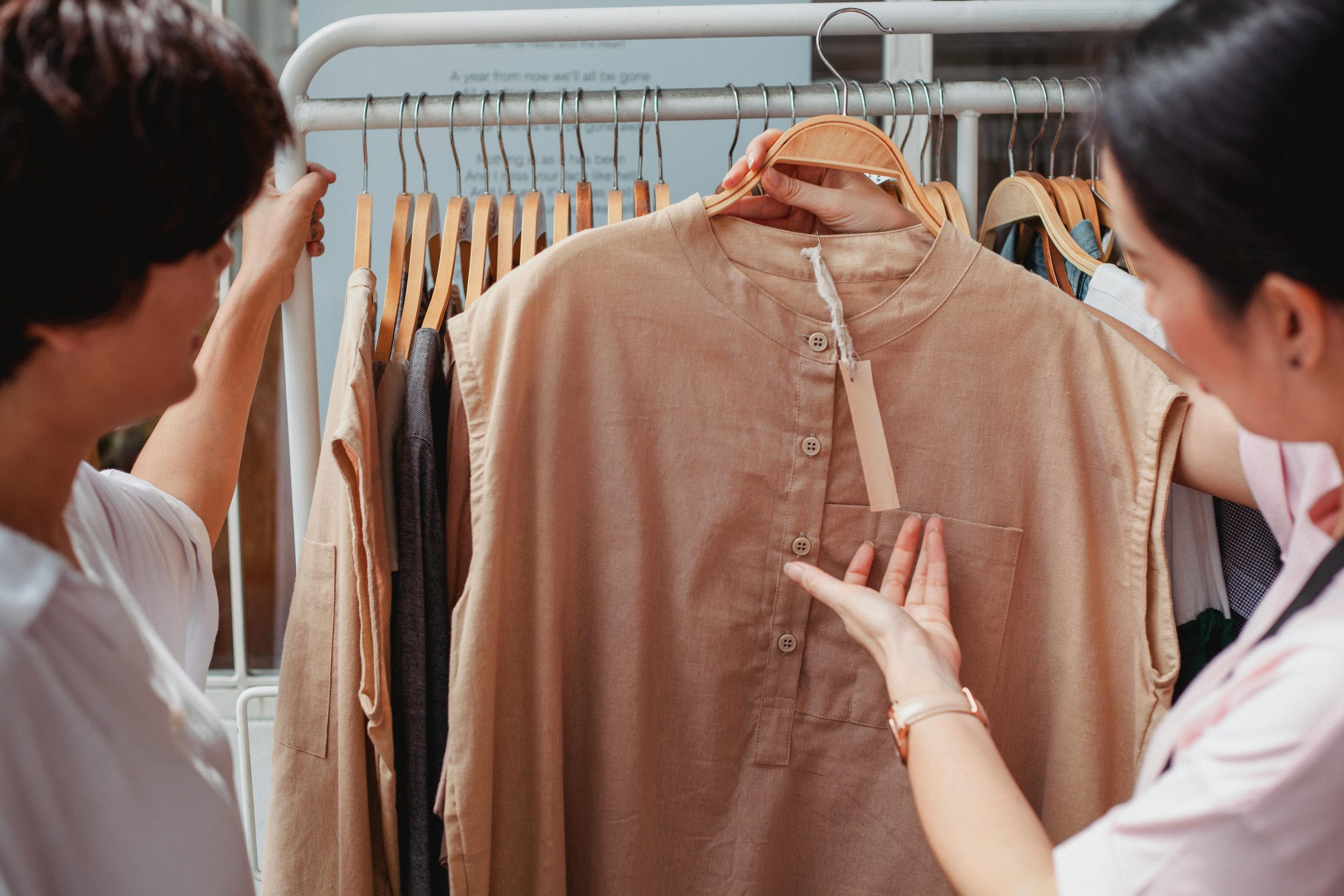
If you want to buy something for a version of yourself that isn’t fully formed and won’t ever be, rent your clothes. For example, I’m going to a music festival soon. It’s my first festival, and I probably won’t go to another one soon. So, I’ll rent some pieces for the festival that are unique and fun but won’t sit in my closet afterward with no purpose.
Wait to Cut the Tag Off
This changed my wardrobe and spending habits for the better to prevent me from wasting money on clothes. I used to buy clothes, try them on, keep the ones I felt good in, and the ones I was unsure about, I’d rip the tags off and then they’d sit in my closet forever.
Now, I don’t cut the tags off until I actually wear the item. I set a reminder in my phone a few days before the return policy is up. If I haven’t worn it, it goes back to the store. For this reason, I never purchase anything that’s final sale.
If I don’t wear it within two weeks, it’s going back. This takes extra steps, but it’s a smart habit that will pay off, both literally and figuratively, in the long run.
Final Thoughts
By understanding why we are wasting money on clothes and adopting intentional shopping habits, you can build a wardrobe you love and actually wear. Remember, being a responsible shopper is a continuous journey. If you found these tips helpful, consider subscribing to my newsletter for more insights on slow fashion and intentional shopping.