Is Polyester Bad? How It Affects the Planet, Your Wardrobe, and More
If it feels like polyester is everywhere, it’s because it truly is. Nearly 70% of clothing today is made up of polyester and other synthetic materials. But despite its popularity, is polyester that bad? I’d argue that it is—and there are many reasons to be cautious about using it. Let’s explore everything you need to know about polyester, why it might be worth reconsidering, and what alternatives you can choose instead.
What is Polyester?
Polyester is a synthetic fiber that dates back to the 1940s. It’s essentially a form of plastic, created through a complex process involving chemicals that produce plastic fibers. In fact, polyester ranks as the third most commonly used plastic in the world. The fashion industry, particularly fast fashion brands, has embraced polyester due to its low cost. The cheaper it is to produce, the higher the profit margins for these companies.
Polyester accounts for around 80% of all synthetic fiber use, but the issues with it extends to other synthetic fabrics, including acrylic and nylon. You’ve probably seen these on clothing tags when shopping. It’s also worth noting that polyester isn’t a uniform material. A polyester T-shirt behaves differently from a polyester raincoat because it can be engineered for specific purposes, such as water repellency. However, despite these variations, I generally choose to avoid polyester whenever I can.
The Pros and Cons of Polyester
There’s a reason polyester is everywhere—it does have a few advantages:
- Low Maintenance: Polyester is wrinkle-resistant, easy to care for, and can often be thrown in the dryer, unlike many natural fabrics.
- Durability: Polyester is marketed as durable, though this often depends on how a garment is constructed.
- Affordability: The cost to produce polyester is low, which translates to more affordable prices for consumers.
Why Polyester’s Cons Outweigh the Pros
So, is polyester bad for the environment? The answer is a resounding yes. Here are the main reasons why:
- Slow to Biodegrade: Polyester can take up to 200 years to break down, contributing heavily to landfill waste.
- Petroleum-Based: Since it’s derived partially from petroleum, polyester production is deeply tied to the oil industry, one of the world’s leading sources of pollution.
- Water Pollution: Manufacturing polyester releases pollutants into water sources, impacting communities that often struggle with access to clean water.
- Microplastic Shedding: When washed, polyester garments shed tiny plastic particles called microplastics. These microplastics are a major environmental issue, as synthetic textiles are responsible for an estimated 35% of microplastics found in the ocean.
- High Energy Consumption: Producing polyester requires a large amount of energy and often involves the use of toxic chemicals, especially during the dyeing process, which can harm both workers and the environment.
- Poor Breathability: From a comfort standpoint, polyester doesn’t breathe well, making it less than ideal for clothing you wear close to your skin. It also tends to hold onto odors, even after washing, which can be frustrating.
The Complications of Recycled Polyester
In recent years, recycled polyester has emerged as a supposedly greener alternative. At first glance, it seems like a positive step—repurposing existing plastic, often from bottles, to create new textiles. However, recycled polyester is far from perfect. The issue with recycled polyester is that it cannot be recycled indefinitely. Once it’s transformed into fabric, it shares many of the same environmental challenges as traditional polyester, including microplastic shedding and eventual disposal in landfills.
My favorite sustainable website, Good On You, points out that using recycled polyester doesn’t make a brand truly sustainable, especially if they’re still mass-producing fast fashion. Small gestures, like including recycled fibers in a few collections, don’t solve the broader issues of overproduction and environmental damage.
What Should You Buy Instead?
So, if polyester is bad, what should you be buying instead? Here are some of my preferred alternatives:
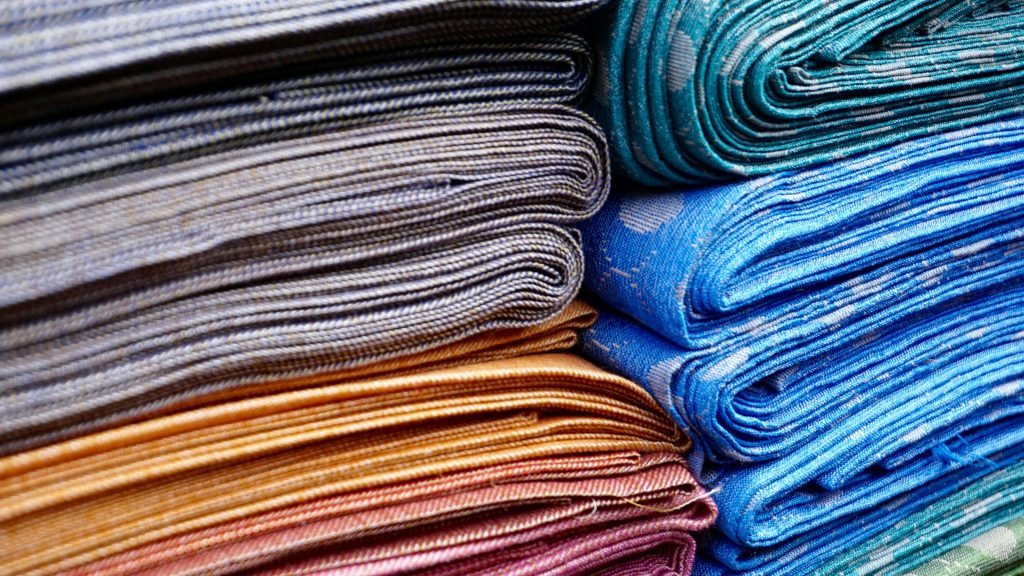
- Natural Fibers: Cotton, wool, linen, and silk are my top choices. While they come with their own challenges—such as water usage and ethical manufacturing—they biodegrade over time, making them a better choice for the environment. Natural fibers also tend to be more comfortable and functional. For example:
- Cotton is breathable and versatile.
- Wool wicks moisture and provides warmth.
- Linen keeps you cool in hot weather.
- Silk is lightweight, insulating, and breathable.
What About Semi-Synthetics?
You may have heard of semi-synthetics like viscose, modal, and lyocell. These are derived from natural sources, but their production processes often involve harmful chemicals and contribute to deforestation. While they do biodegrade, I approach these materials with caution. If an item made from semi-synthetics checks all the boxes otherwise, I’ll consider it, but I don’t prioritize them solely for being marketed as “better.”
Similarly, garments with a small percentage of synthetic fibers can be fine, especially if everything else about the piece aligns with your needs and values. But it’s up to you to figure out what set of guidelines work well for you.
Navigating Fast Fashion and Polyester
Fast fashion heavily relies on polyester due to its low cost, but if fast fashion is your only option because of availability, budget, or sizing, you can still make more mindful choices. Look for pieces with a lower percentage of synthetic materials or shop in person to feel the fabrics and check labels. Intentional shopping is key—identify gaps in your wardrobe and focus on filling them with items you’ll truly use and love.
If you need help identifying wardrobe gaps or want tips on shopping intentionally, check out my post here on how to do so.
What to Do with the Polyester Clothes You Already Own
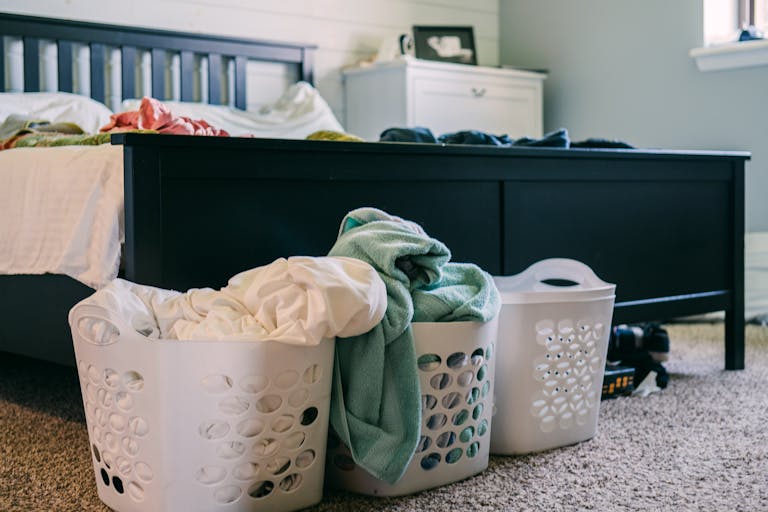
The most sustainable thing you can do is to use what you already have. Moving toward a more eco-friendly lifestyle doesn’t mean tossing out all your polyester clothes. Instead, continue wearing them for as long as possible. Washing less frequently helps reduce microplastic shedding, and investing in a GuppyFriend bag or similar solution can minimize microplastic pollution during washes.
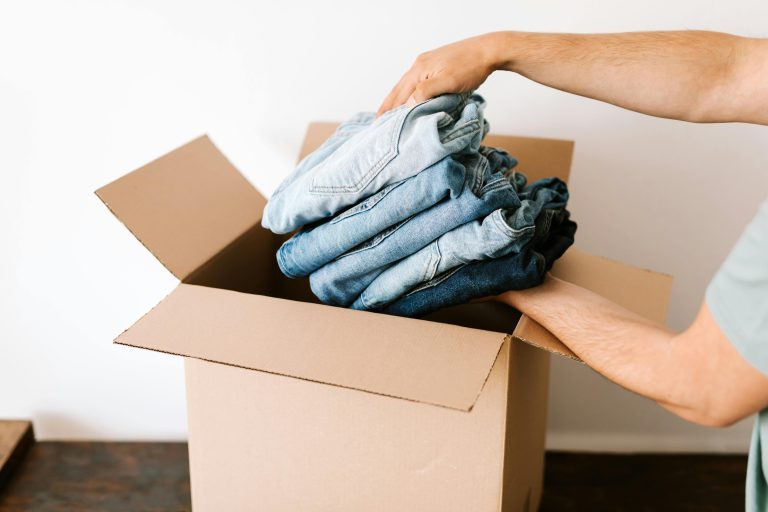
When it’s time to part with a polyester item, consider passing it along to someone else. Donating to a shelter, swapping with friends, or finding other ways to extend its life keeps it out of landfills for longer.
Sources
- https://www.earthday.org/the-devil-wears-polyester/
- https://goodonyou.eco/how-sustainable-is-polyester/
- https://textileexchange.org/polyester/
- https://vox.com/the-goods/2018/9/19/17800654/clothes-plastic-pollution-polyester-washing-machine
- https://www.selflessclothes.com/blog/natural-vs-synthetic-fibers/#semi-synthetic-fibers
- https://www.thesustainablefashionforum.com/pages/quick-question-what-is-polyester-and-is-it-really-that-bad-for-the-environment
- https://www.nytimes.com/wirecutter/blog/reduce-laundry-microfiber-pollution/
- https://www.fashiondive.com/news/fashion-brands-synthetic-fiber-use-report
- https://www.hercircle.in/engage/fashion/trends/how-long-will-the-clothes-you-threw-out-take-to-decompose-695.html
Watch the Video Version of this Article!
Disclaimer: This post contains affiliate links. Thank you for supporting my site and read more about my disclosure policies here.