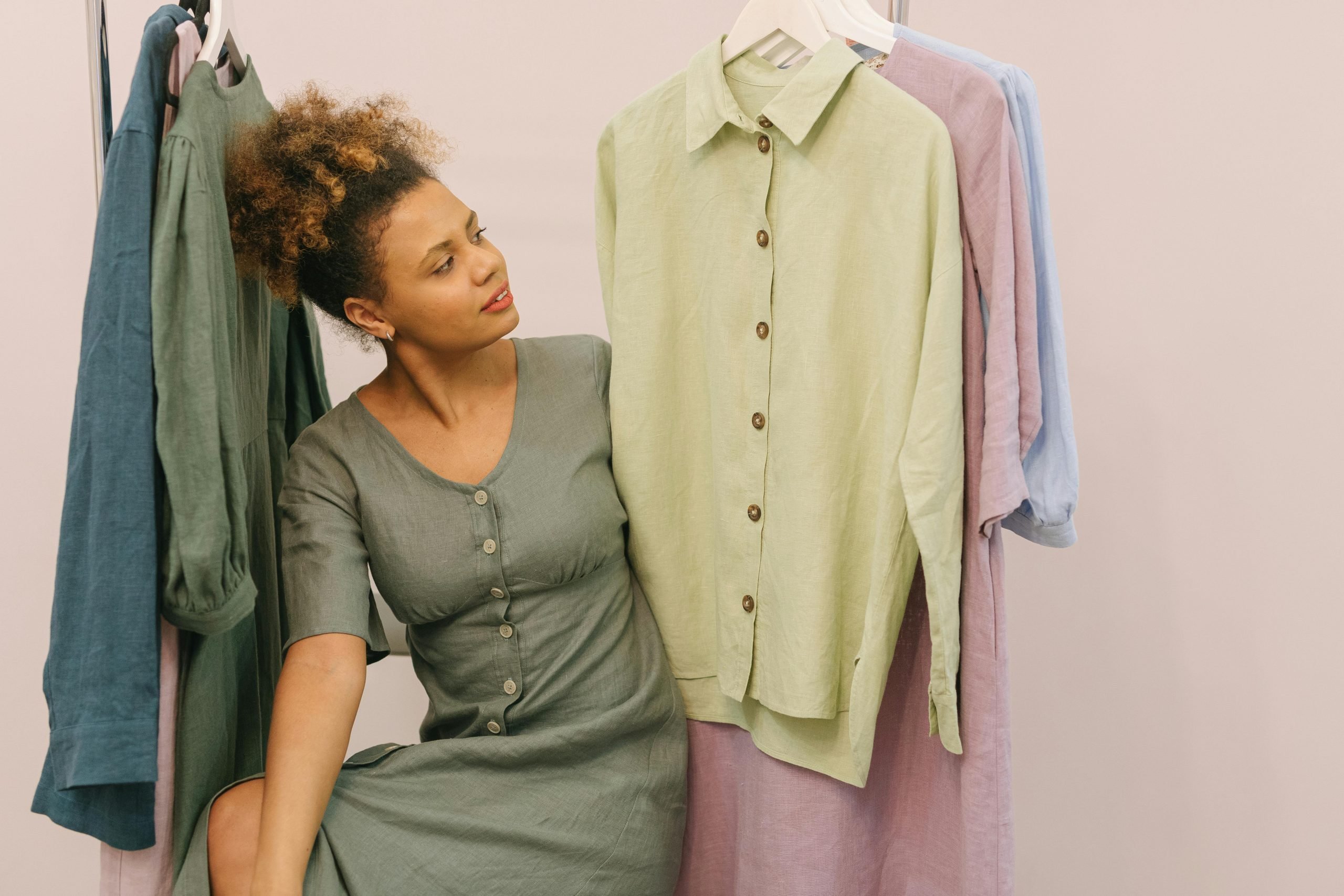
Need a New Wardrobe? Here’s How to Identify Gaps in Your Closet
Ever feel like something’s missing from your wardrobe that would make getting dressed way easier? You’re not alone! Building a wardrobe that truly works for you means taking a good look at what you already own and figuring out what’s missing. Today, I’m walking you through the steps to identify gaps in your wardrobe so you can create a closet that serves you in the best possible way.
Step 1: Audit What You Have
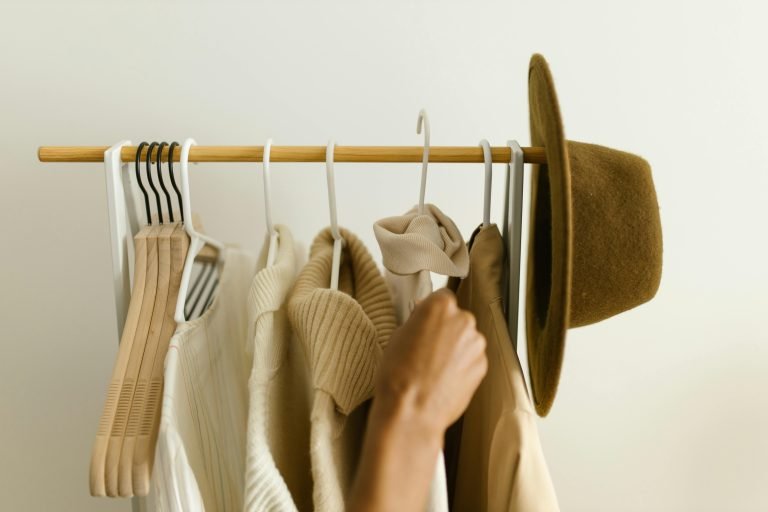
The first step to identifying wardrobe gaps is doing a thorough audit of what’s already in your closet. This might take some time, but trust me—it’s worth it. An audit helps you see where your wardrobe is thriving and where it might be lacking. Plus, finding items that truly serve your needs requires intention, and that intention takes time.
Start by categorizing your clothes into sections like tops, bottoms, dresses, skirts, outerwear, and so on. You can keep it simple or get really detailed, depending on what works best for you. Document everything in a notebook, spreadsheet, or better yet, use a wardrobe app like INDYX or Wearing. Digitizing your closet lets you see everything at a glance, which can be a game-changer for figuring out what you really have. Sometimes, seeing your clothes hanging in your closet isn’t enough—it’s easy to forget what’s tucked away.
One important note: just because you have fewer items in a category doesn’t necessarily mean you need more. For example, I don’t have many shorts, but that’s fine because the few I own work for my needs. On the other hand, I have a couple of blazers but could really use a plaid one to add more dimension to my outfits. The key is to focus on what actually makes sense for you.
Step 2: Understand Your Preferences & Priorities
To build a wardrobe you love, it’s important to know your style preferences and priorities. If you’re not sure where to start, I highly recommend the “3-word method” for defining your personal style (there’s a video on it, and it changed the way I approach my wardrobe!).
Take a look at your top 5-10 favorite or most-worn pieces and ask yourself what makes them so special. Is it the color, fabric, silhouette, or overall vibe? Knowing what you love helps you make future purchases that truly fit your style and fill any wardrobe gaps.
For example, I gravitate toward neutral colors, layering pieces, comfort, and darker tones, with fabrics like cotton, wool, and linen being my favorites. This step is all about making sure you’re adding pieces that enhance your style and bring real value to your wardrobe—not just more stuff.
Step 3: Pinpoint Where You Struggle to Get Dressed
Next, think about the times when getting dressed feels like a chore. Take a moment to reflect on your daily, weekly, or monthly routine. What activities do you do regularly? This could include work, meetings, running errands, going out, or working out. Make a list of these occasions and consider where you often feel like something’s missing in your wardrobe.
For example, you might have plenty of work clothes but feel like you’re missing a structured blazer for important client meetings. Or maybe every time you run errands, you wish you had a pair of comfy, stylish joggers instead of always reaching for leggings. Identifying these gaps ensures that you’re building a practical wardrobe that suits your lifestyle.
Step 4: Identify Pieces That Unlock More Potential in Your Wardrobe
Now comes the fun part—figuring out what pieces will make the biggest difference. Start by focusing on 1-5 key items that would really enhance your wardrobe. These should be items that fill a genuine need and bring more versatility to what you already have.
For example, if you realize you need more workwear, a blazer might top your list. If you’re short on casual pieces, maybe a comfy half-zip or versatile pair of sneakers is the priority. The idea is to keep it intentional and start small, adding items that offer the most impact.
Step 5: Source and Visualize Your New Pieces
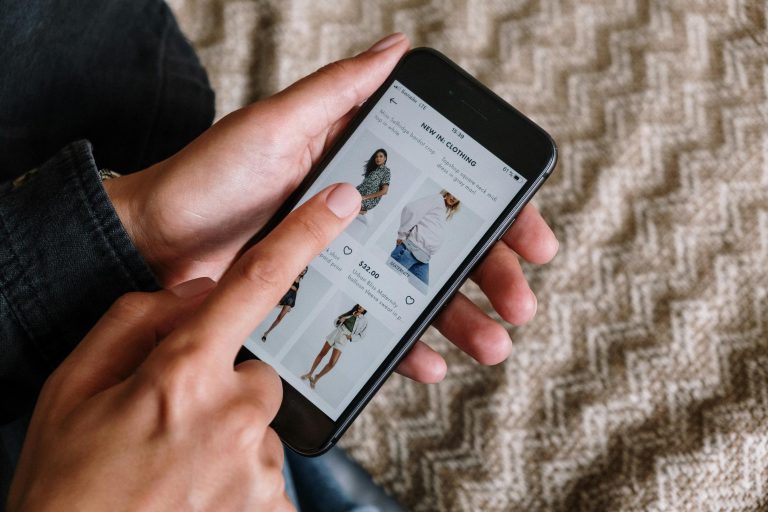
Once you’ve identified what you need, it’s time to find the right item. This step requires a little research. Look at different brands, materials, and price points to make sure your new piece aligns with your style, values, and wardrobe needs. If you’ve digitized your closet, you can even see how the new piece pairs with existing items before you buy. Alternatively, you can bring the item home, try it out with different outfits, and see how it fits into your wardrobe.
Pro tip: Always consider secondhand options first, if possible. Whether you buy new or secondhand, make sure each item serves your wardrobe well for the long haul.
Step 6: Keep a Wishlist
After all this work, keeping a running wishlist is a smart way to stay focused. Now that you know how to evaluate your wardrobe and pinpoint what’s missing, having a wishlist on hand will make future shopping decisions easier. Whether you jot it down on your phone or keep a list in your closet, it’ll ensure you’re prepared the next time you feel like something’s missing.
If you find yourself frequently wishing for a specific piece, that’s a strong sign it’s worth the investment. By keeping a wishlist, you’ll gradually build a wardrobe that evolves with your needs and brings you joy every day.
Quick Recap: How to Identify Gaps in Your Wardrobe
- Conduct a Wardrobe Audit: Categorize your clothes and get a clear view of what you already own.
- Understand Your Style Preferences: Analyze your most-loved pieces and figure out what makes them work for you.
- Reflect on Your Lifestyle Needs: Pinpoint occasions where you struggle to get dressed.
- Identify Key Pieces: Choose 1-5 items that will bring the most value to your wardrobe.
- Source Thoughtfully: Find pieces that align with your style and pair well with what you already have.
- Keep a Wishlist: Track potential additions to ensure intentional, thoughtful purchases.
Final Thoughts
Building a wardrobe that truly works for you isn’t about instant fixes—it’s about thoughtful, intentional choices. By following these steps, you’ll create a closet that serves your lifestyle, reflects your personal style, and makes getting dressed something you look forward to every day.