How to Declutter Your Home and Own Less Stuff
Let’s be real—clutter happens. Whether it’s a stack of clothes you meant to donate but never got around to or kitchen drawers overflowing with random gadgets, we’ve all been there. Clutter can sneak in for many reasons: how we grew up, emotional attachments, or maybe a shopping habit that got a little out of hand. Whatever the reason, it doesn’t have to control your space or your peace of mind.
Today, I’m sharing six practical rules on how to declutter your home and own less stuff, so you can create a space that feels lighter and more intentional. This isn’t about tossing everything you own overnight—it’s about making mindful choices to reduce clutter and create a space that works for you.
And while I often focus on how to declutter your closet, these tips work for any room in your home. Think of it as your toolkit for cutting through the clutter, reducing overconsumption, and creating a more peaceful, organized space.
1. Slow the Flow
One of the best ways to declutter your home starts with being mindful of what you’re bringing in to begin with. It’s all about slowing down and really thinking things through before they come through your front door. Next time you’re tempted to buy something, hit pause and ask yourself:
- Do I actually need this, or am I just excited about the idea of having it?
- Do I already own something that does the job just fine?
- How have I been getting by without it so far?
Slowing the flow isn’t just about rethinking your shopping habits—it’s also about saying “no thanks” to freebies. We’ve all been tempted by our Buy Nothing groups, free items on the curb, and well-meaning hand-me-downs, but free doesn’t always mean helpful. Before accepting anything, ask if it will genuinely add value to your space or if it’s just another piece of clutter waiting to happen. Remember, even “free” stuff takes up room and can add stress.
2. Keep a Wishlist
TThe next step in decluttering your home is all about keeping a running wishlist for things you want—or think you need. Trust me, this can be a game changer. By adding items to a wishlist and waiting before you actually buy them, you give yourself a little breathing room. More often than not, that initial “must-have” excitement fades, and you’ll see more clearly if it’s something you really need or just a passing interest.
To make this even more effective, I like to break my wishlist into two categories: “needs” and “nice-to-haves.” It helps me prioritize and sort out what truly matters. You’d be surprised how often those “essential” items end up forgotten after a few days. If this sounds like something you want to try, I’ve created a free downloadable wishlist worksheet to help you out. It’s designed to make you pause and reflect potential purchases. You can use it digitally with Google Sheets or print it out—whatever works best for you. This tool can seriously make a difference in cutting down impulse buys and reducing clutter over time.
A QUICK GLANCE
at what you’ll receive
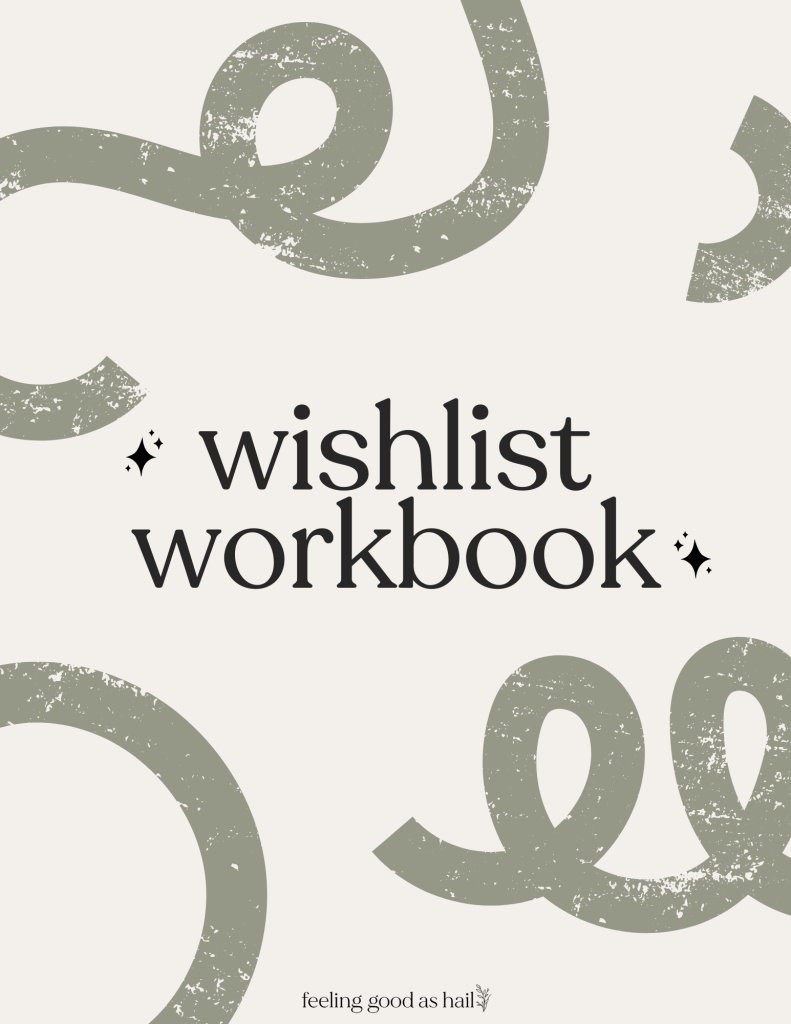
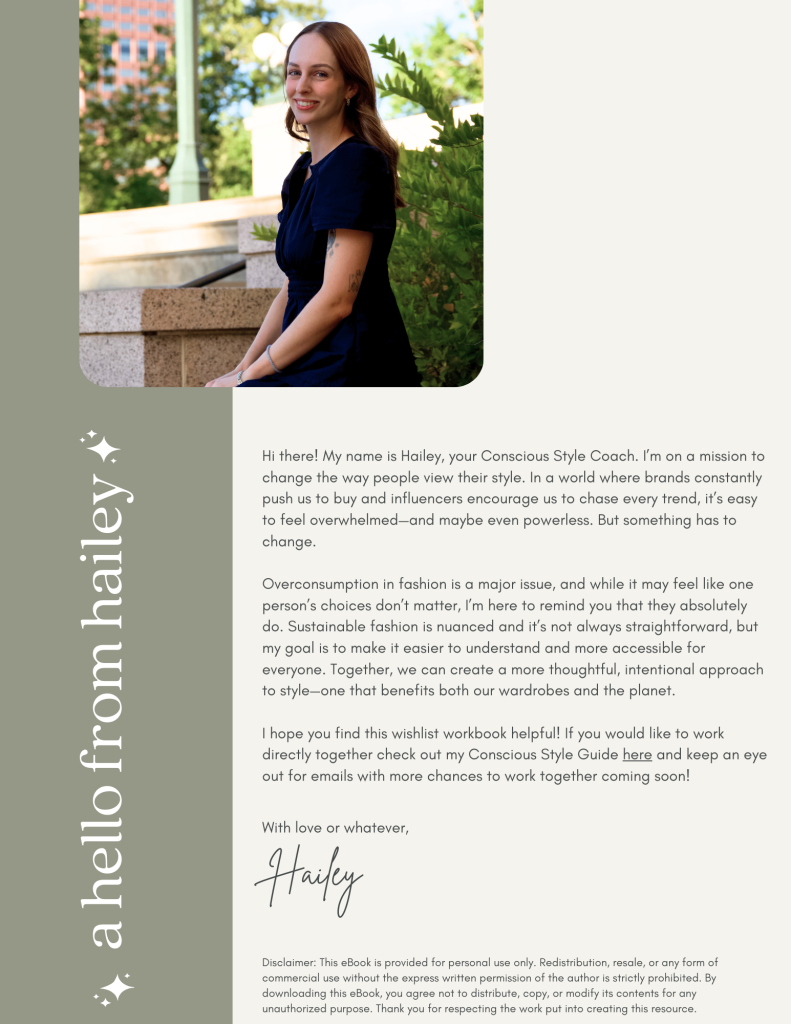
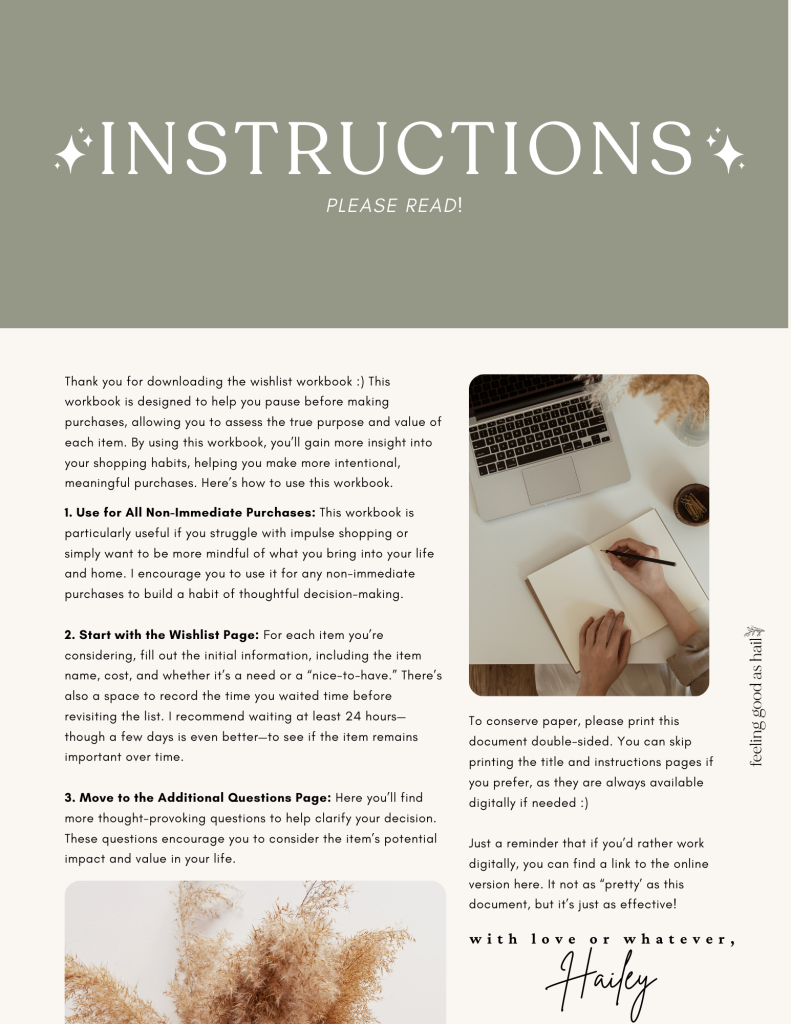
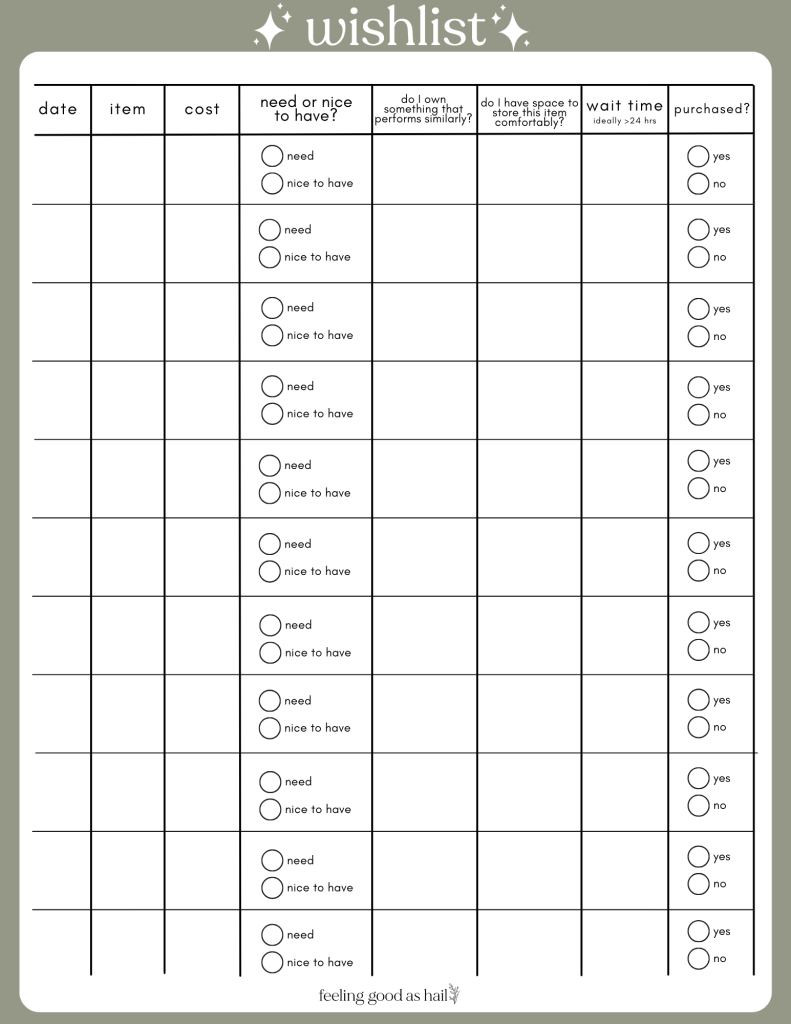
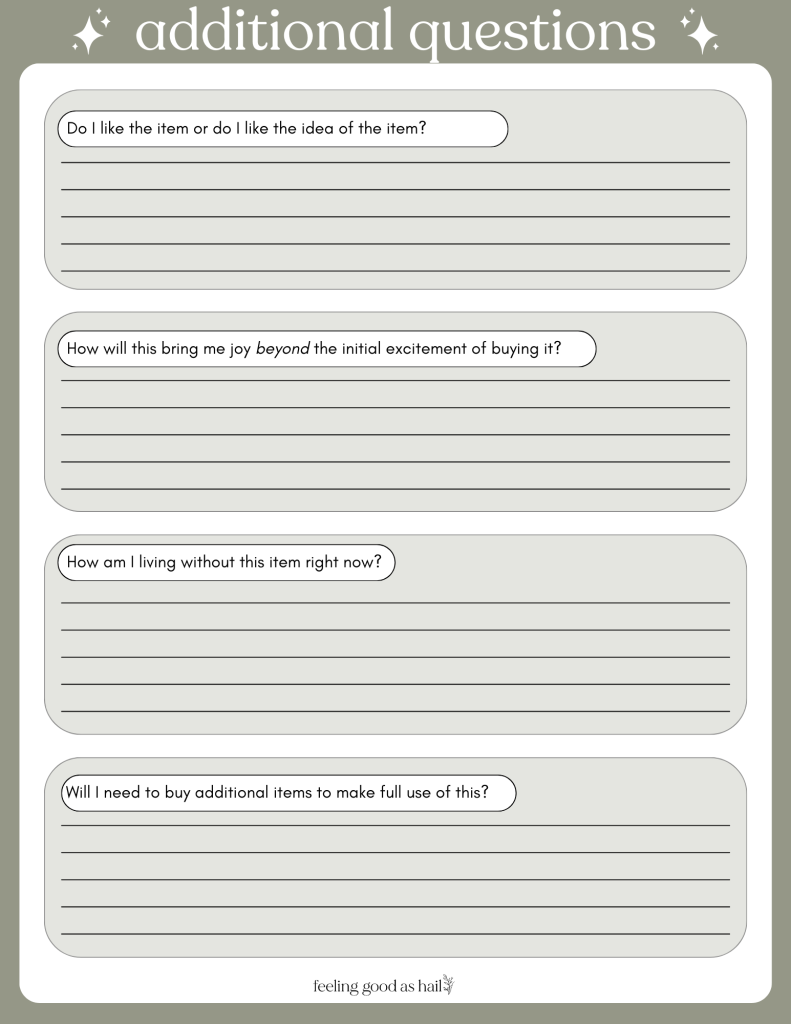
SIGN UP TO ACCESS the free wishlist workbook
You’ll also receive our newsletter with updates on mindful shopping strategies, conscious living tips, and resources designed to help you build a more intentional wardrobe and lifestyle.
3. Avoid Buying Storage for Extra Stuff
A common myth when tackling how to declutter your home is that more storage equals less clutter. But here’s the truth: buying extra storage can actually make things worse by giving you more room to hold onto stuff you don’t really need. I first came across this idea in the book Decluttering at the Speed of Life, and it’s stuck with me ever since. The concept is simple but powerful—if you’re tempted to buy storage just to fit more items, it might be time to take a step back and reconsider whether you actually need those things.
Instead, try challenging yourself to work within the natural limits of your home’s space. When you run out of room, treat it as a sign to start decluttering. For instance, when I noticed my closet shelf for bags was overflowing, my knee-jerk reaction was to buy a hanging purse organizer. But after a closer look, I realized what I really needed was a good decluttering session. I sorted through my bags, let go of a few I hadn’t touched in years, and passed them along to a friend. Not only did this clear up space, but it also helped me focus on keeping items that genuinely matter to me. This approach makes your space more intentional and reduces clutter without the need for extra bins or shelves.
4. If It Takes Less Than a Minute to Put It Away, Do It
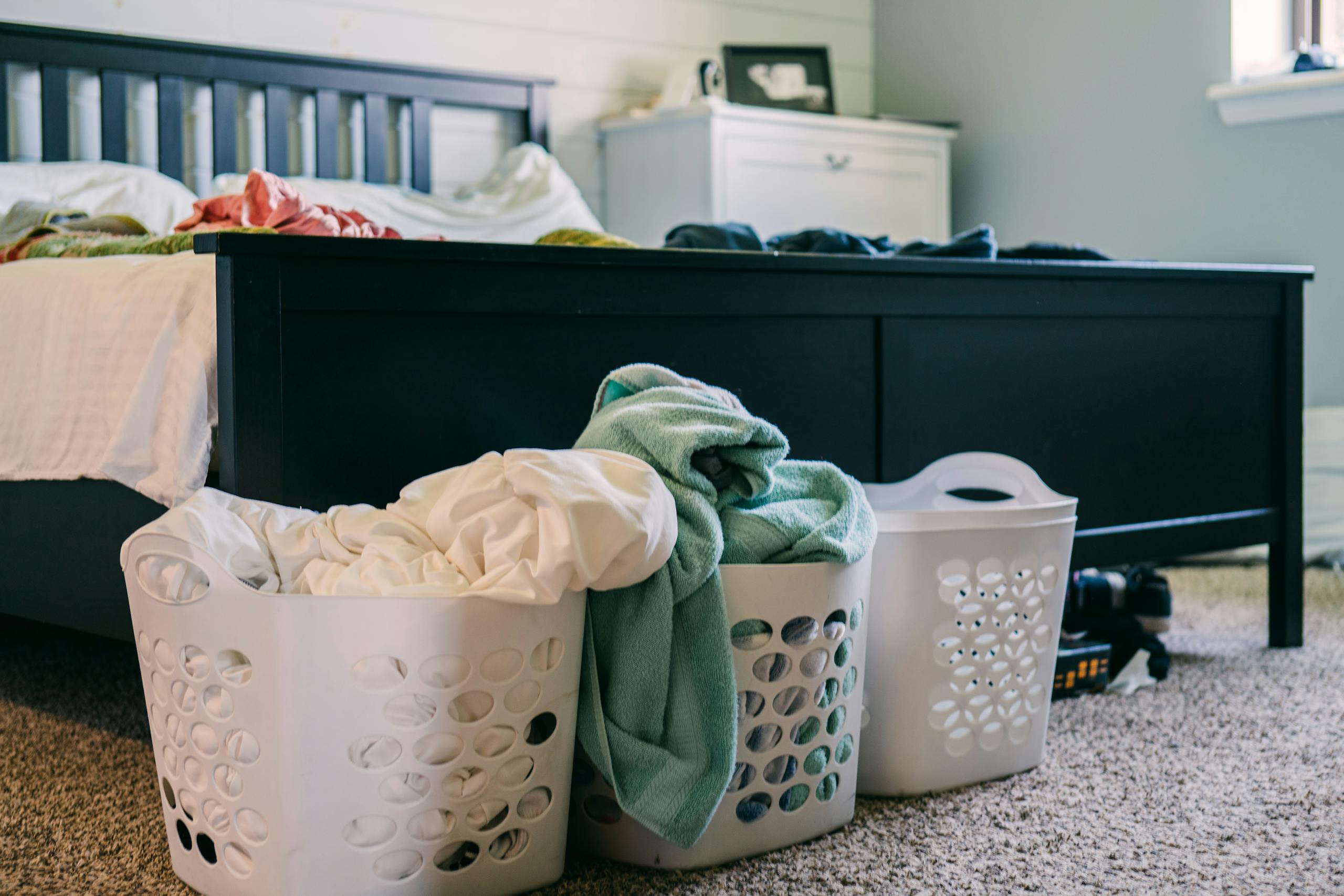
More often than not, cluttered homes are just a buildup of small, unfinished tasks. When things don’t get put back where they belong, it’s only a matter of time before the space feels chaotic. One of the easiest and most effective habits to combat this is the “one-minute rule”: if it takes less than a minute to put something away, do it right then.
This simple rule works wonders in every room, whether you’re tackling how to declutter your closet or keeping your kitchen and bathroom tidy. For example, if you try on a shirt and decide it’s not working for the day, don’t just toss it on a chair or bed—take a moment to hang it back up. The same goes for dishes, mail, and all those daily items that tend to pile up. Little, intentional actions like this really add up, keeping your space organized without feeling overwhelming. It’s amazing what a difference just a few extra seconds can make!
5. Break It Up Into Sections
Trying to declutter your entire home in one go can feel seriously overwhelming, so don’t set yourself up for that kind of stress. Instead, break it down into smaller, manageable chunks. Carve out 20 minutes a day, a week, or whenever you can, and focus on just one area—like a junk drawer, a single shelf in your closet, or one cabinet at a time.
This approach keeps you from burning out and helps you stay focused. Set a timer, work on that specific spot, and when the timer’s up, give yourself permission to step away. Over time, these mini-decluttering sessions really add up, and you’ll notice a lighter, more organized home. This way, you’re not just decluttering for the sake of getting rid of stuff; you’re making mindful, intentional choices about what stays and what goes. It’s about progress, not perfection!
6. Address the “What If” Mindset
ThThe “what if” mindset is a major source of clutter for so many of us. It’s that little voice saying, “But what if I need this someday?” While it’s totally natural to think this way, it often leads to keeping things that don’t actually serve you. To help counter this mindset, I like to ask myself a couple of key questions:
- If I had to pack up and move across the country in 30 minutes, would I bring this item with me?
- If I got rid of it and needed it later, would it be hard or expensive to replace?
If the answer to either of these is no, then it’s usually a sign that it’s time to let that item go. Shifting your mindset like this not only helps reduce clutter but also supports more mindful consumer habits. Plus, it lets you focus on what truly matters and creates a more intentional relationship with the things you choose to keep in your life.
Final Thoughts
Decluttering isn’t about chasing perfection or following strict rules—it’s about creating a space that truly works for you, reflects your values, and brings you a sense of peace. By using these six rules to declutter your home and closet, you’ll be taking important steps toward a lighter, more intentional lifestyle.
Watch the Video Version of This Article!
Disclaimer: This post contains affiliate links. Thank you for supporting my site and read more about my disclosure policies here.