Why Clothing Quality Is So Bad Now (And What to Do About It)
I’m sure we can all collectively agree that our quality of our clothing has noticeably declined over the years. Fabrics feel thinner and more fragile, items pill easily, and many consumers now treat clothes as disposable rather than as long-lasting staples in their wardrobes.
Curious about the reasons behind this shift, I decided to dig deeper into the factors driving the decline in clothing quality. In this post, I’ll explore why our clothes have become less durable and share practical tips to help you make better choices and build a wardrobe that stands the test of time.
A Look Back: Why Clothes Used to Be Better
To understand why the quality of clothes is getting worse, it’s helpful to step back in time. Let’s rewind to the 1970s, when the fashion landscape was vastly different.
Spending Habits in the 1970s
In the 1970s, the average U.S. household spent about 10% of its income ($4000 in today’s money) on clothing annually. Today, that figure has dropped to around 3.5% ($1700 in today’s money), yet we’re purchasing far more items—about five times as many as consumers did in the ‘70s. On average, people today buy 68 new garments a year, which is alarming when you think about it.
So, what changed? Why are we buying so much more clothing while spending less of our income on it? To answer that, we need to examine how clothing production has evolved.
Clothing Production in the 20th Century
During the late 20th century, retailers typically launched just two main collections per year: Fall/Winter and Spring/Summer. These collections were planned months, even a year, in advance. This slower production cycle allowed brands to focus on quality and craftsmanship, as they needed to create products that drive consumer retention and quality was at the heart of that.
However, because collections were limited, companies took greater risks. If a collection didn’t sell, the financial losses could be significant. To mitigate that risk, they prioritized durable materials and meticulous construction, ensuring that their products stood out in a competitive market and that consumers would return because of the promise of quality.
The Fast Fashion Revolution: How It Changed Everything
Fast forward to the 1990s, and the rise of fast fashion completely upended the industry. At the forefront of this shift was Zara who introduced rapid production cycles, reducing the time from design to store to just 15 days. This innovation transformed the fashion world, prioritizing speed and quantity over craftsmanship and quality.
What Fast Fashion Means for Quality
Fast fashion brands like Zara, H&M, and later, Shein, adopted a business model that emphasized constant newness. Instead of releasing 2-3 collections per year, they churn out new items weekly—or even daily. While this model satisfies the consumer’s desire for fresh trends, it comes at the expense of quality.
Fast production timelines leave little room for detailed craftsmanship or material testing. Instead, the focus is on creating items quickly and cheaply. This shift has played a significant role in the clothing quality decline we see today.

The Rise of Synthetic Fabrics
One of the most notable changes in modern fashion is the widespread use of synthetic materials. In 1975, synthetic fibers like polyester and nylon made up only 30% of the global fiber market. Today, they account for nearly 70% of all fabrics used in clothing.
Why Synthetic Fabrics Dominate
The appeal of synthetic materials lies in their low cost and versatility. They’re cheaper to produce than natural fibers like cotton or wool and can be manipulated to fit a variety of styles and textures. For fast fashion brands, synthetics are a dream material because they maximize profits.
This reliance on synthetics has further contributed to the quality of clothes getting worse because consumers are used to paying cheap prices for cheap fabrics/products.
Garment Workers and the Cost of Speed
Behind every fast fashion garment is a workforce tasked with producing it. Many garment workers are paid per item rather than by the hour, creating immense pressure to work quickly. This speed-driven production model inevitably sacrifices craftsmanship and attention to detail.
It’s essential to note that workers themselves are not to blame. The issue lies with an industry model that prioritizes speed and profit over fair wages, reasonable working conditions, and high-quality products.
Even High-End Brands Aren’t Immune
If you think splurging on luxury or high-end brands guarantees better quality, think again. Many premium brands have adopted some of the same cost-cutting measures as fast fashion labels. For example, I found Reddit post which you can see here comparing two pairs of jeans from the higher-end brand Sézane, showing significant differences in stitching, trim, and overall construction quality.
This illustrates an important point: higher prices don’t always mean higher standards. Even luxury brands can cut corners, leaving consumers disappointed.
The Role of Consumer Behavior
It’s impossible to discuss the clothing quality decline without addressing consumer behavior. Today’s shoppers are buying more than ever, driven by convenience, trends, and the lure of cheap prices. But why?
The Impact of Online Shopping
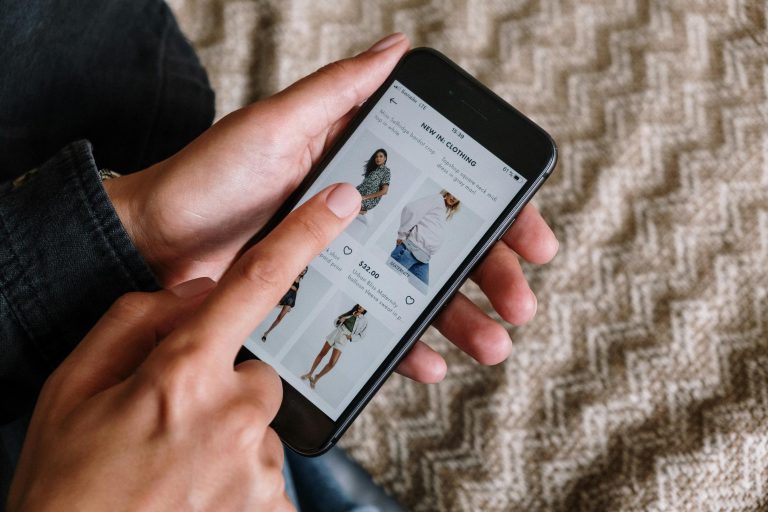
Online shopping has revolutionized the way we buy clothes, offering unparalleled convenience. However, it also limits our ability to assess quality. Without the chance to feel fabrics or inspect construction, many consumers rely solely on visuals, leading to more impulse purchases and less informed decisions.
The Endless Cycle of Trends
Social media and influencer culture have created an insatiable appetite for newness. Consumers feel pressure to keep up with rapidly changing trends, leading to a “buy more” mentality. This demand fuels fast fashion’s endless production cycles, reinforcing the focus on quantity over quality.
What You Can Do to Combat the Decline in Quality
While systemic change requires action from brands and policymakers, there are steps you can take as a consumer to make more mindful choices:
1. Learn to Recognize Quality
Start by familiarizing yourself with high-quality materials and construction techniques:
- Fabric: Opt for natural fibers like cotton, wool, silk, and linen. These are more durable and comfortable than synthetics. But you do need to care for them properly to make sure they last so please follow the care instructions.
- Construction: Check for tightly stitched seams and reinforced areas. Avoid items with loose threads or uneven construction or anything that feels too thin or flimsy.
2. Shop Secondhand
Buying secondhand is a great way to find well-made pieces at a fraction of the cost. Vintage items, in particular, were often crafted to higher standards than today’s fast fashion garments. Buy used first!
3. Repair and Maintain Your Clothes
Minor issues like loose buttons or small tears don’t have to mean the end of a garment’s life. Learn basic repair skills which you can find on YouTube/Google or take items to a tailor. Proper care—like washing less frequently and following care labels—can also extend the lifespan of your clothes.
4. Prioritize Quality Over Quantity
Shift your mindset from buying lots of cheap items to investing in fewer, higher-quality pieces. This approach not only saves money in the long run but also helps combat overconsumption.
Final Thoughts
The clothing quality decline is a complex issue driven by changes in production methods, materials, and consumer habits. While the quality of clothes is bad compared to decades ago, there are ways to push back against the trend. By shopping thoughtfully, caring for your wardrobe, and valuing quality over quantity, you can create a closet that lasts.
Watch the Video Version of this Article!
Sources
- https://www.vox.com/the-goods/23529587/consumer-goods-quality-fast-fashion-technology
- https://www.wsj.com/articles/the-high-price-of-fast-fashion-11567096637
- https://www.earthday.org/the-devil-wears-polyester/
- https://www.theguardian.com/lifeandstyle/2023/sep/19/garment-quality-not-the-same-why-closet-clinic
- https://www.thebubble.org.uk/culture/the-decline-of-quality-how-did-we-end-up-wearing-rubbish/
- https://fashionedits.com/how-the-fashion-industry-has-changed/
- https://earth.org/statistics-about-fast-fashion-waste/
- https://goodonyou.eco/what-is-fast-fashion/
- https://www.nytimes.com/wirecutter/blog/reduce-laundry-microfiber-pollution/
- https://www.dazeddigital.com/fashion/article/57214/1/shein-factory-workers-are-paid-as-little-as-3p-per-item
- https://www.wired.com/story/fast-cheap-out-of-control-inside-rise-of-shein/